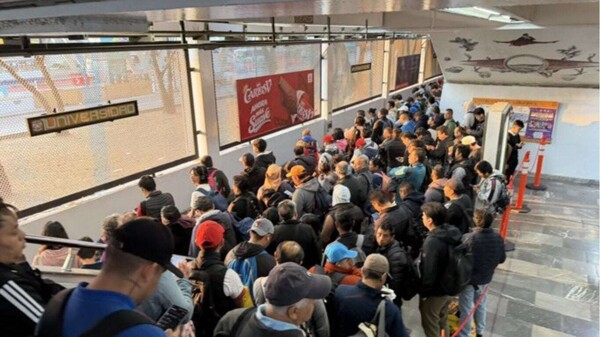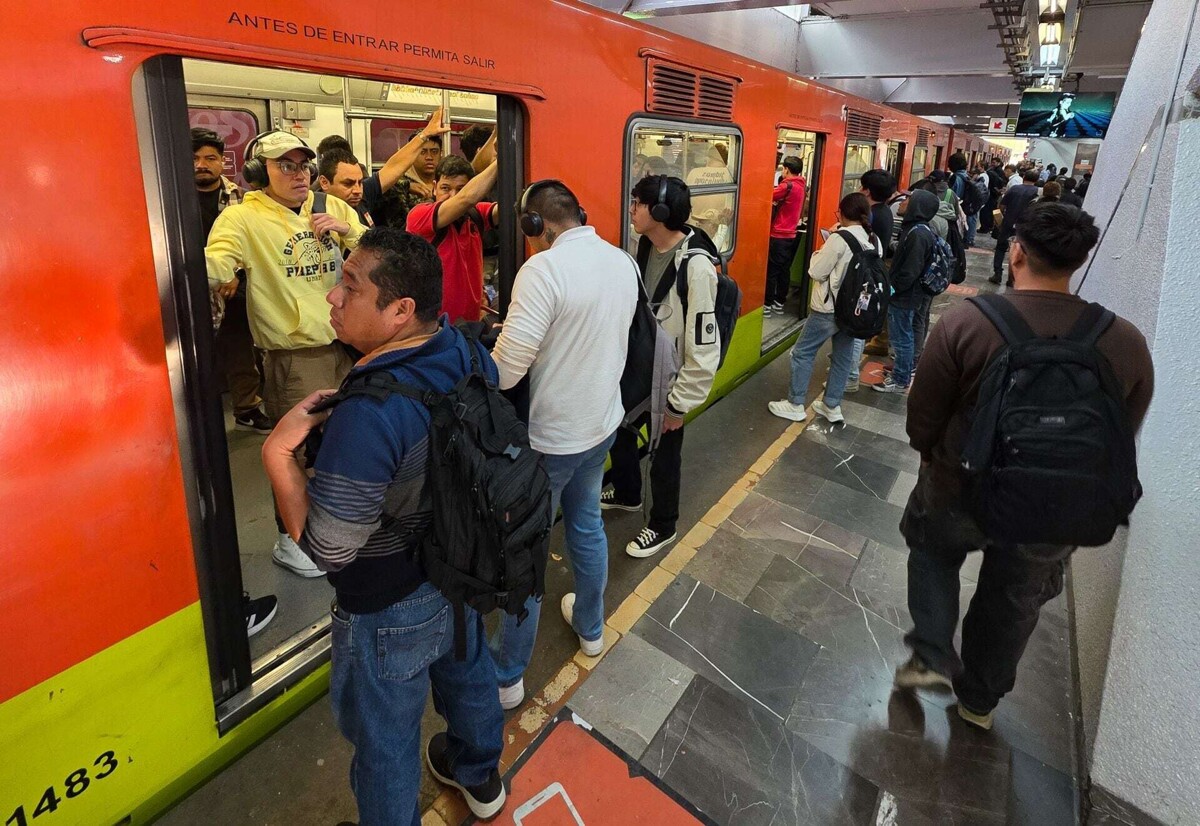
The Mexico City Metro system experienced a critical day due to a workers' protest that resulted in the loss of 759 trips in a single day, highlighting the level of operational pressure the system faces. According to data shared by the National Union of Workers of the Collective Transport System, the impact is mainly explained by: 559 trips not made due to a lack of personnel and 202 trips lost due to a lack of material to operate trains. Most affected lines The impact from the lack of personnel was distributed throughout the network, with clear red spots: Line 3: 99 trips lost (the most affected), Line B: 79, Line 6: 73, Line 9: 54, Line 7: 45, Line 4: 44, Line 2: 40, Line 1: 38. With lesser but significant impacts: Line 5: 29, Line 12: 26, Line 8: 17, Line A: 13. The data is relevant because Line 3—which connects to the National Autonomous University of Mexico—and Line 2, which provides access to the Azteca Stadium, will be strategic nodes during the 2026 FIFA World Cup. Structural failures behind the stoppage For the union, the massive loss of trips is not an isolated incident, but a direct consequence of the lack of resources, maintenance, and sufficient personnel to sustain operations. They accuse the head of city finances, Juan Pablo de Botton, of not having authorized or disbursed the necessary resources, which has led to delays and evasions in fulfilling agreements. Workers' demands The list of demands includes: A 6% salary increase and salary compression in various categories. That Metro workers participate directly in the modernization of lines 1, 2, 3, and A, to reduce costs and take advantage of technical experience. Full operation of the Tláhuac CENDI. Immediate attention and formal responses to their demands, with solutions in defined times. That labor conflicts be resolved directly within the STC, without forcing employees to go to multiple government instances. That user subsidies be fully covered by the city government and not affect Metro's finances. Guarantee tagged resources for preventive and corrective maintenance. Timely delivery of the budget approved by the local Congress, without delays that compromise operational safety. Increasing operational risk The loss of 759 trips in one day reflects the level of fragility of the system. For the workers, the problem not only impacts service frequency but also puts the safety of millions of users at risk. With months until the 2026 World Cup, the Metro—the backbone of mobility in the capital—faces the challenge of resolving labor conflicts, guaranteeing financing, and recovering its operational capacity amid growing demand and public scrutiny.